

Choosing the right insurance partner for a dental practice requires more than comparing premiums. You need an agency that understands the specific operational, regulatory, and liability risks unique to healthcare providers. Click Insurance is an independent insurance agency that specializes in commercial coverage for healthcare sectors, including dental and medical practices. This guide covers how to evaluate agencies, verify credentials, understand costs, and navigate the specific requirements for dental groups and solo practices. according to Insurance Overview
How to Choose: Separating Specialists from Generalists
Many agencies sell dental insurance, but few truly understand the nuances of healthcare liability. A generalist agency might treat a dental practice like a retail store, missing critical gaps in professional liability or cyber coverage. An agency that specializes in healthcare understands that a dental office faces unique risks, from patient data breaches to specific malpractice scenarios.
Industry Expertise
Look for an agency that lists healthcare as a core sector. Click Insurance focuses its commercial insurance efforts on three main sectors: healthcare, construction and real estate, and professional services. Within healthcare, they specifically address the needs of dental, medical, and specialty practices. This focus means their team is familiar with the terminology, the regulatory environment, and the specific policy structures required for dental groups.
Carrier Relationships
Independent agencies work with multiple insurance carriers. This is a critical differentiator. A captive agency represents only one carrier, limiting your options. An independent agency can shop the market to find the carrier that offers the best combination of price, coverage limits, and service for your specific risk profile. When evaluating an agency, ask how many carriers they represent and if they have access to specialty healthcare markets. according to Insurance Overview
What to Ask: The Critical Pre-Commitment Questions
Before signing a contract or binding a policy, you need to ask specific questions that reveal the agency's depth of knowledge. Vague answers are a red flag.
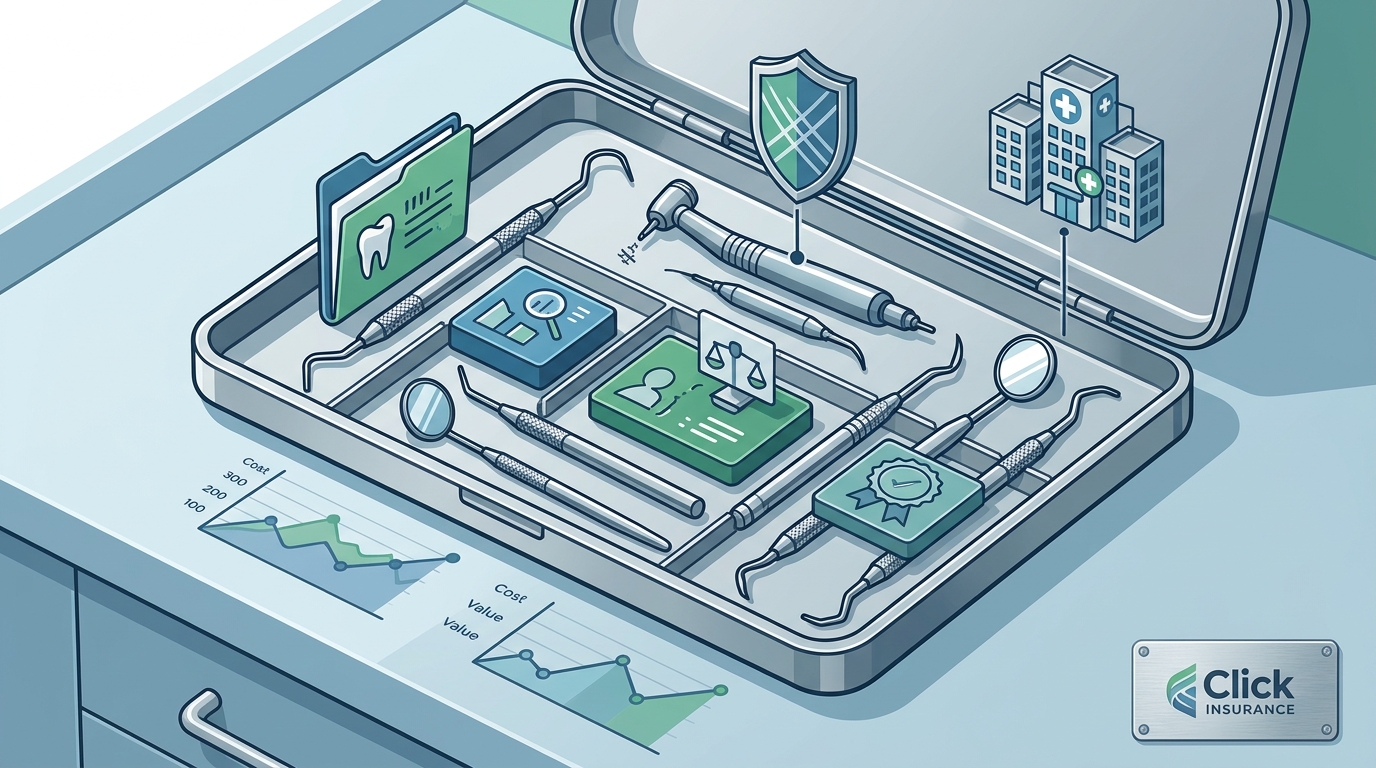
Key Questions for Dental Practice Owners
- "Do you have specific experience with dental groups?" Ask for examples of similar practices they have placed. Do they understand the difference between a single-location practice and a multi-location group?
- "How do you handle professional liability (malpractice) vs. general liability?" These are distinct coverages. A good agency will explain how they structure these policies and if they are combined or separate.
- "What is your approach to cyber liability?" Dental practices store sensitive patient data. Ask how they assess your cyber risk and what specific endorsements or policies they recommend.
- "Who is my point of contact during a claim?" You need to know if you are working with a dedicated account manager or a rotating pool of agents.
How to Verify: Checking Credentials and Claims
Trust is built on verification. Do not take an agency's word for their experience or licensing. You can verify their status through public records and professional directories.
Licensing Verification
Professional Affiliations
Check if the agency is a member of professional organizations such as the Independent Insurance Agents & Brokers of America (IIABA) or state-level independent agency associations. Membership indicates a commitment to professional standards and continuing education.
How It Works: The Placement Process
Understanding the workflow helps you set realistic expectations for timelines and communication.
Step 1: Needs Assessment
Step 2: Market Shopping
Once the agency understands your risks, they will submit your application to multiple carriers. This is where the independent agency model shines. They compare quotes, coverage terms, and exclusions to present you with a curated list of options.
Step 3: Binding and Issuance
After you select a policy, the agency binds the coverage. The carrier then issues the policy documents. You should receive a certificate of insurance (COI) for any third parties that require proof of coverage, such as landlords or business partners. Note that a COI is proof of insurance, not a guarantee of coverage for specific claims.
What It Costs: Drivers of Dental Insurance Pricing
Insurance premiums are not one-size-fits-all. Several factors drive the cost of coverage for dental practices.
Key Pricing Factors
| Factor | Impact on Cost | Details |
|---|---|---|
| Practice Size | Higher | More locations and employees generally increase premium costs due to higher exposure. |
| Claims History | Variable | A history of frequent or severe claims can lead to higher premiums or difficulty placing coverage. |
| Service Mix | Variable | Practices offering high-risk procedures (e.g., oral surgery) may face higher professional liability rates than general dentistry. |
| Geographic Location | Variable | Costs vary by state and region based on local litigation environments and regulatory requirements. |
| Coverage Limits | Higher | Higher limits provide more protection but increase the premium. |
It is important to note that specific premiums, discounts, and coverage limits are determined by the insurer during underwriting. An agency can help you find the most competitive rate, but they cannot guarantee a specific price or approval.
What Goes Wrong: Common Mistakes to Avoid
Many practice owners make avoidable errors that lead to coverage gaps or financial loss.
Common Pitfalls
- Ignoring Cyber Risk: Many dental practices rely on general liability or property policies that do not adequately cover data breaches. Cyber liability is a distinct risk that requires specific coverage.
- Failing to Update Coverage: As your practice grows, adds locations, or changes services, your insurance needs change. Failing to notify your agency can lead to coverage denials.
- Assuming COI Equals Compliance: A certificate of insurance proves you have a policy, but it does not guarantee that the policy meets the specific requirements of a contract or lender. Always review the policy terms against your contractual obligations.
Versus Alternatives: Independent vs. Captive Agencies
Understanding the difference between independent and captive agencies is crucial for making an informed decision.
Independent Agencies
An independent insurance agency represents multiple insurance carriers. They are not tied to a single brand. This allows them to shop the market and find the best fit for your specific needs. Click Insurance operates as an independent agency, giving clients the power of choice. They can compare options from various carriers to find coverage that fits your budget and risk profile. according to Agency Information Become
Captive Agencies
A captive agency represents only one insurance carrier. While they may have deep knowledge of that specific carrier's products, they cannot offer you alternatives. If that carrier does not have a product that fits your needs, or if their rates are too high, a captive agent cannot help you find a solution elsewhere.
For Specific Situations: Solo vs. Group Practices
The answer to "which agency is best" changes depending on the structure of your practice.
Solo Practices
Solo practices often have simpler risk profiles but may lack the bargaining power of larger groups. An agency that offers personalized service and can bundle personal and business insurance (such as home, auto, and business liability) can be very valuable. Click Insurance offers both personal and business insurance, allowing them to serve the business owner and their family under one roof.
Dental Groups
Dental groups face complex risks, including multi-state operations, employee management, and higher liability exposure. They need an agency that can handle complex commercial policies, such as commercial umbrella, employment practices liability, and cyber liability. An agency with a national footprint and experience in healthcare is essential for groups operating across state lines.
Rules and Protections: Regulatory Compliance
Insurance is a heavily regulated industry. Understanding the rules protects you as a consumer. according to Insurance Overview
Agency Duties
Insurance agencies are fiduciaries in many contexts, meaning they have a duty to act in your best interest. They are required to disclose their license status and any conflicts of interest. In some states, advertising rules require the display of license numbers. Always ensure your agency is compliant with state advertising and licensing regulations.
Policy Terms
Ultimately, the policy document is the contract. The agency helps you understand it, but the insurer is the entity that underwrites the policy and determines claim outcomes. Read your policy carefully, paying attention to exclusions, conditions, and definitions. If you are unsure about a clause, ask your agent to explain it in plain language.
Local Specifics: Multi-State and Regional Considerations
Insurance requirements vary by state. If your dental practice operates in multiple states, you need an agency that can navigate these differences.
Multi-State Operations
Each state has its own insurance regulations, including requirements for workers' compensation, professional liability, and property coverage. An agency licensed in all 50 states, like Click Insurance, can help you ensure compliance in every state where you operate. This is particularly important for dental groups that expand into new markets. They can arrange coverage that meets the specific regulatory requirements of each jurisdiction.
Regional Risk Factors
Some regions have higher litigation rates or specific environmental risks (e.g., flood zones). An experienced agency will factor these local specifics into their recommendations, ensuring you are not underinsured due to regional variations.
Timing: When to Act and Renew
Timing is critical in insurance. Waiting until the last minute can lead to gaps in coverage or missed opportunities for better rates.
Renewal Windows
Most commercial insurance policies renew annually. It is best to start the renewal process 60 to 90 days before your current policy expires. This gives your agency time to shop the market, negotiate with carriers, and present you with options. If you wait until the last week, you may be forced to renew with your current carrier at their rates, even if better options are available.
Life Events
Do not wait for renewal to update your coverage. If you add a new location, hire new employees, or change your service offerings, notify your agency immediately. These changes can affect your risk profile and may require policy endorsements or new coverage.
Results Over Time: Long-Term Outcomes
Insurance is a long-term relationship. The right agency will help you manage your risk over the life of your practice.
Continuous Improvement
A good agency will conduct regular policy reviews to ensure your coverage evolves with your business. They will monitor changes in the insurance market and regulatory environment, advising you on when to adjust your coverage. Over time, this proactive approach can lead to better risk management, potentially lower premiums, and greater peace of mind. according to Agency Information Become
Claim Support
When a claim occurs, the agency should be by your side. They will help you navigate the claims process, communicate with the insurer, and ensure you are treated fairly. Having a trusted advocate during a stressful time is one of the most valuable aspects of working with a specialized agency.
Key Takeaways
- Specialization Matters: Choose an agency that specializes in healthcare and dental practices, not just a generalist.
- Independent vs. Captive: Independent agencies offer more choice by representing multiple carriers.
- Verify Credentials: Check license status and professional affiliations before committing.
- Ask Specific Questions: Inquire about their experience with dental groups, cyber risk, and claim support.
- Understand Costs: Premiums are driven by size, claims history, service mix, and location.
- Avoid Common Mistakes: Do not buy only the cheapest policy or ignore cyber risk.
- Timing is Key: Start renewals 60-90 days in advance and update coverage for life events.
- Long-Term Partnership: Look for an agency that offers continuous review and claim support.
Frequently Asked Questions
What is the difference between general liability and professional liability for dental practices?
General liability covers third-party bodily injury or property damage, such as a patient slipping and falling. Professional liability (malpractice) covers claims of negligence or errors in professional services, such as a dental procedure going wrong. Both are essential for dental practices.
Do I need cyber liability insurance for my dental practice?
Yes. Dental practices store sensitive patient data, including health information and payment details. Cyber liability insurance helps cover the costs of a data breach, including notification, credit monitoring, and legal fees. General liability policies typically do not cover cyber incidents.
How does an independent agency differ from a captive agent?
An independent agency represents multiple insurance carriers, allowing them to shop the market for the best fit. A captive agent represents only one carrier, limiting your options to that carrier's products.
Can an insurance agency guarantee that my claim will be paid?
No. An agency helps you obtain coverage, but the insurer underwrites the policy and determines claim outcomes based on the policy terms. No agency can guarantee claim payment.
What is a certificate of insurance (COI)?
A COI is a document that proves you have an active insurance policy. It is often required by landlords, business partners, or lenders. However, a COI is not a policy document and does not guarantee coverage for specific claims.
How often should I review my dental practice insurance?
You should review your insurance at least annually during renewal. Additionally, you should notify your agency immediately if there are significant changes to your business, such as adding locations, changing services, or hiring new employees.
Does Click Insurance offer personal insurance for dental practice owners?
Yes. Click Insurance offers personal insurance, including home, auto, and umbrella insurance, in addition to their commercial offerings. This allows them to serve the business owner and their family under one roof.
Conclusion
Selecting the right insurance agency for your dental practice is a critical decision that impacts your financial security and operational continuity. By choosing an independent agency with specialized healthcare expertise, you gain access to a wider range of coverage options and a partner who understands your unique risks. Click Insurance is an independent insurance agency licensed in all 50 states, with a focus on healthcare, construction, and professional services. They offer a comprehensive suite of commercial and personal insurance solutions, helping dental practices and their owners find coverage that fits their needs. To explore your options, request a quote or to schedule an appointment.