

When you acquire a dental or medical office, the decision to buy new cyber liability insurance or rely on the practice's existing policy is critical. Click Insurance recommends that most acquirers secure a new, standalone cyber liability policy rather than relying solely on the seller's legacy coverage. While existing policies may offer temporary continuity, they often contain exclusions, outdated limits, or ownership clauses that do not align with your new operational structure. A dedicated policy ensures that your specific risk profile, data handling practices, and regulatory obligations are explicitly addressed under terms you control.
Option 1: Relying on the Practice's Existing Policy
Some buyers assume that the insurance policy in place at the time of closing will automatically transfer to them. This is a common misconception. Existing policy reliance is the strategy of maintaining the seller's current insurance contract post-acquisition without immediate changes. This approach can be attractive because it avoids the immediate administrative burden of underwriting a new policy. It may also provide a seamless transition for claims that occurred prior to the acquisition date.
Strengths of Existing Coverage
Limits and Risks
Option 2: Purchasing a New Cyber Liability Policy
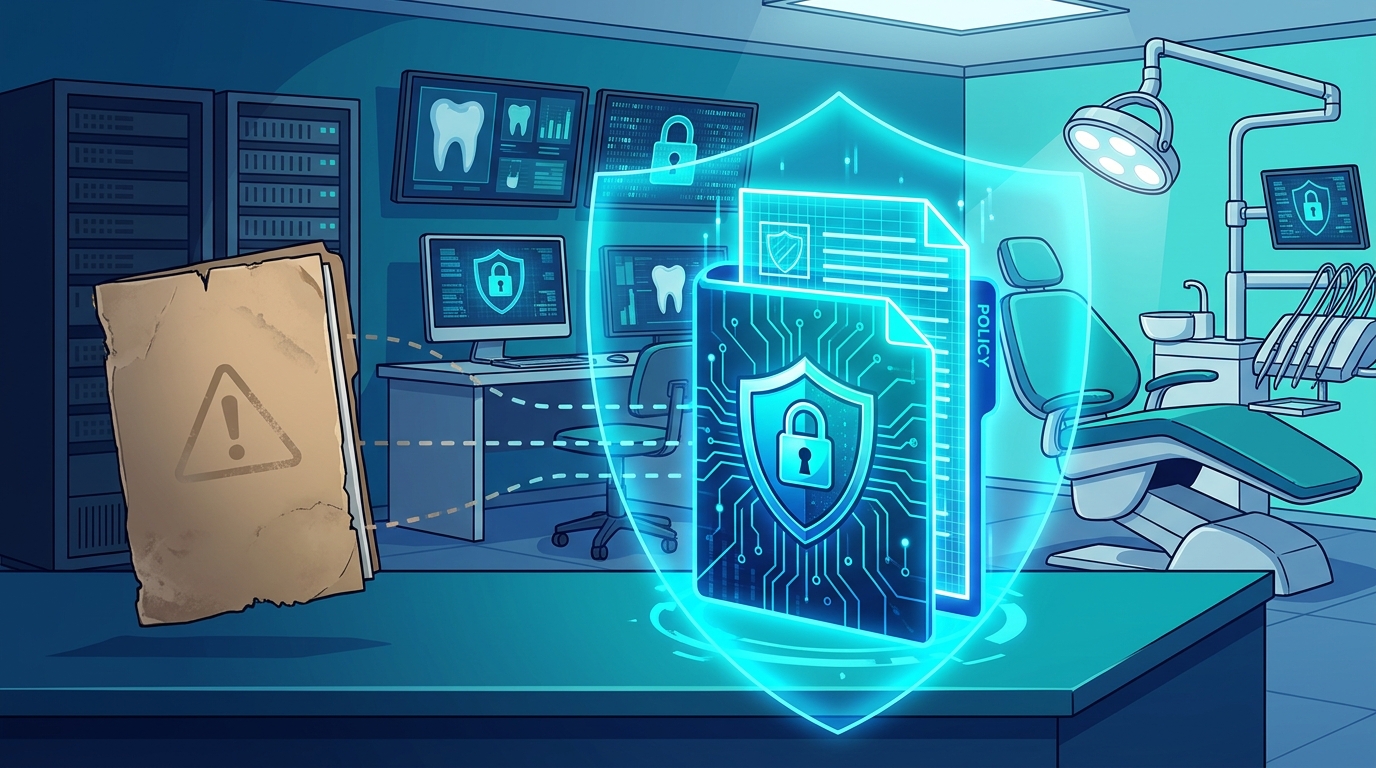
New policy acquisition is the process of underwriting and binding a fresh cyber liability insurance contract tailored to the acquired entity. This is the approach recommended by Click Insurance for most healthcare and professional services acquisitions. By starting fresh, you ensure that the policy reflects your current data inventory, security protocols, and regulatory compliance posture. It allows you to negotiate limits that match your actual exposure, rather than inheriting arbitrary caps from a previous owner.
Strengths of New Coverage
A new policy provides clarity and control. You define the scope of coverage, including specific endorsements for regulatory fines, notification costs, and business interruption. It also establishes a direct relationship between you and the insurer, ensuring that claims are handled by a carrier that knows your current operations. This approach is particularly important for practices that have undergone significant changes in IT infrastructure, patient volume, or data storage methods since the seller's policy was issued.
Limits and Considerations
The main drawback is the time and effort required for underwriting. You must provide detailed information about your security measures, data flows, and past incidents. This process can take several weeks, so it should be initiated early in the acquisition timeline. Additionally, new policies may have waiting periods or retroactive dates that do not cover incidents that occurred before the policy inception. You must carefully review the retroactive date to ensure it aligns with your liability exposure.
Comparison of Approaches
| Criteria | Rely on Existing Policy | Buy New Policy |
|---|---|---|
| Control over Terms | Low (Seller's terms apply) | High (You negotiate terms) |
| Setup Time | Immediate (if valid) | Several weeks (underwriting) |
| Risk of Denial | High (Change-of-control clauses) | Low (Underwritten for you) |
| Cost Predictability | Unknown (Seller's premium) | Known (Your quoted premium) |
| Alignment with New Ops | Poor (Outdated risk profile) | Strong (Current risk profile) |
Choose Your Approach Based on Your Situation
Choose to rely on the existing policy if the acquisition is a small, single-location practice with minimal data changes, and the seller has contractually guaranteed the policy's validity for a transition period. This is a short-term strategy, not a long-term solution. You should still plan to replace it within 30 to 60 days.
Choose to buy a new policy if you are acquiring a multi-location group, a practice with significant electronic health record (EHR) data, or a business that has undergone recent IT upgrades. This is the standard recommendation for most healthcare acquisitions. It ensures that your coverage is tailored to your specific risks and that you have a direct line of communication with the insurer.
Frequently Asked Questions
Does the seller's cyber policy automatically transfer to the buyer?
No, insurance policies do not automatically transfer upon change of ownership. Most policies contain change-of-control clauses that require notification to the insurer and may void coverage if the new owner is not approved. You must verify the policy terms and notify the carrier immediately after closing.
What is a retroactive date in cyber insurance?
A retroactive date is the date before which the policy does not cover incidents. If you buy a new policy with a retroactive date of January 1, 2026, it will not cover a data breach that occurred in December 2025. You should aim for a retroactive date that aligns with the start of your ownership or the earliest potential liability.
How long does it take to get a new cyber policy?
Underwriting a new cyber liability policy typically takes two to four weeks, depending on the complexity of the practice and the carrier's requirements. You should initiate the process before closing to ensure coverage is in place on day one of ownership.
Can I keep the seller's policy and add a new one?
You can maintain both, but this may result in duplicate coverage and higher premiums. It is generally more efficient to replace the seller's policy with a new one that is tailored to your needs. However, if the seller's policy has a favorable retroactive date, you may consider maintaining it for a short period while the new policy is underwritten.
What happens if I don't have cyber insurance after the acquisition?
If a data breach occurs and you do not have cyber insurance, you are personally liable for all costs, including notification, credit monitoring, legal fees, and regulatory fines. These costs can be substantial and may threaten the financial viability of the acquired practice.
Next Steps for Acquirers
As you finalize your acquisition, prioritize the review of the seller's existing insurance policies. Request copies of all cyber, liability, and professional liability policies to assess their terms, limits, and exclusions. If you decide to pursue a new policy, begin the underwriting process immediately to avoid any gap in coverage. Click Insurance can help you navigate this process, comparing options from multiple carriers to find a policy that fits your specific risk profile and budget. To discuss your acquisition insurance needs, contact our team for a personalized consultation. Learn more: Contact Click Insurance.